
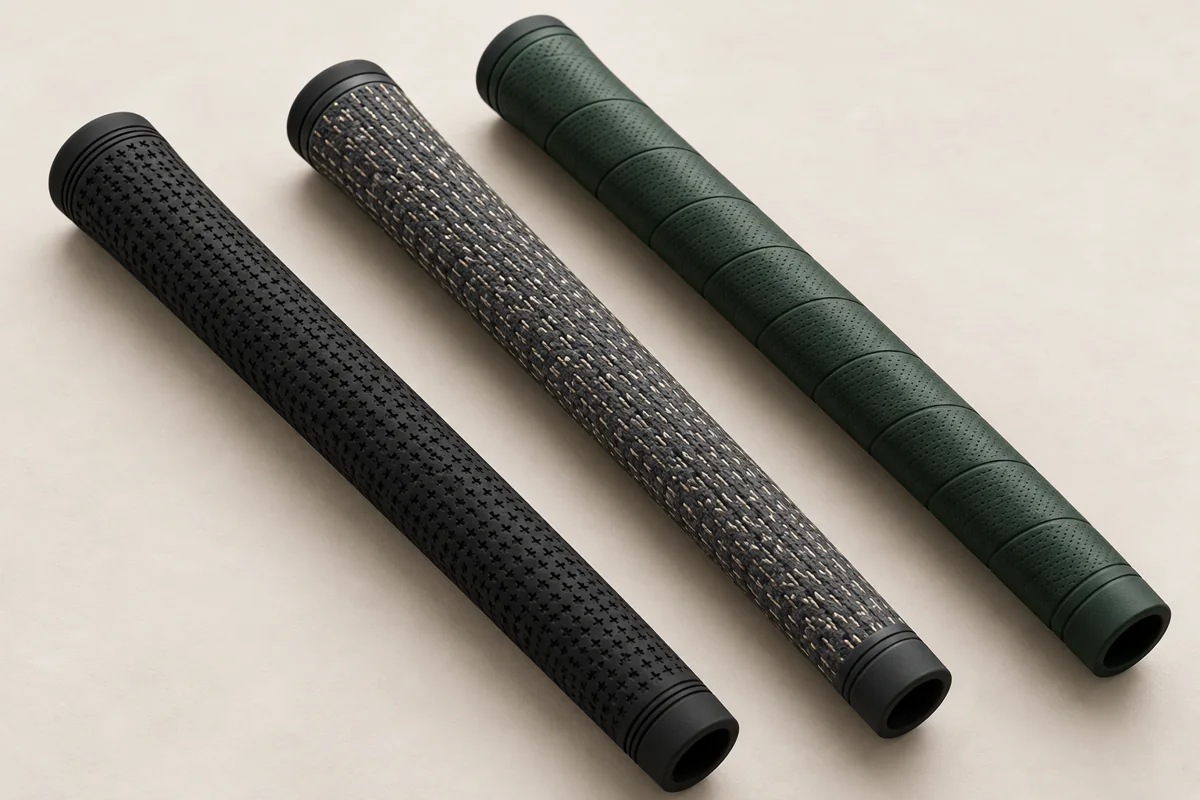
The right golf grip material is the one that gives your intended customer a comfortable, repeatable hold in the selected profile. Compare rubber, cord and PU directions on completed samples with compatible installation. Material names alone do not establish firmness, durability, grip weight or a universal performance advantage.
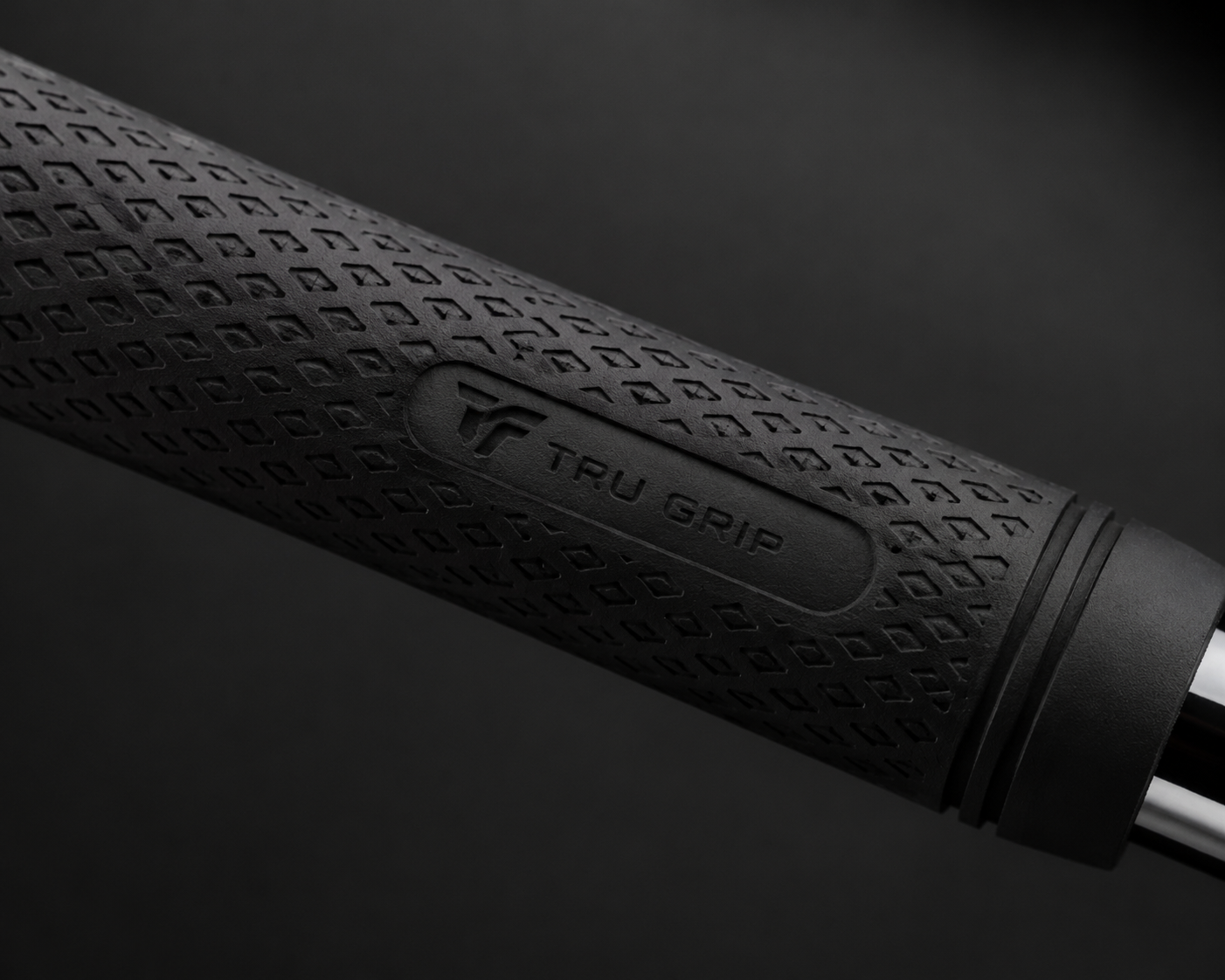
Start with a rubber direction for a versatile molded surface. Include cord when customers want a more pronounced fiber-textured feel. Consider PU or wrap-style directions when that surface character fits the range. Compare the actual samples rather than choosing from a price tier or material label.
Golf grip material comparison: rubber, cord and PU
| Direction | What to review | What to specify |
|---|---|---|
| Rubber | Compound feel, molded texture, taper and finished hold. | Selected compound, profile, core compatibility, surface and colors. |
| Cord | Fiber coverage, exposed texture and comfort in relevant conditions. | Full or partial cord direction, underlying construction and hand-contact zones. |
| PU / wrap-style | Surface feel, seams or overlap, cleaning requirements and finish. | Actual surface material, supporting structure, profile and construction. |
Cord is not necessarily a separate alternative to rubber in the way a simple material list suggests. Cord constructions can incorporate fibers into a rubber-based grip. Likewise, “PU grip” does not fully identify every layer or establish whether the product is wrapped or molded. Ask for the proposed construction to be described clearly.
Cord vs rubber grips: compare the surface without changing everything else
A non-cord rubber grip and a cord grip can offer noticeably different hand contact, but the compound, size and taper also matter. If possible, compare related profiles with similar installation so the surface difference is easier to assess. Do not compare a large soft profile with a narrow firm cord model and attribute the whole difference to the fibers.
Customers who prefer a molded surface
Review a rubber direction with the intended pattern and firmness. Ask users to compare a relaxed hold, normal swings and the care routine, rather than treating a smooth photograph as proof of tack or comfort.
Customers who want more texture
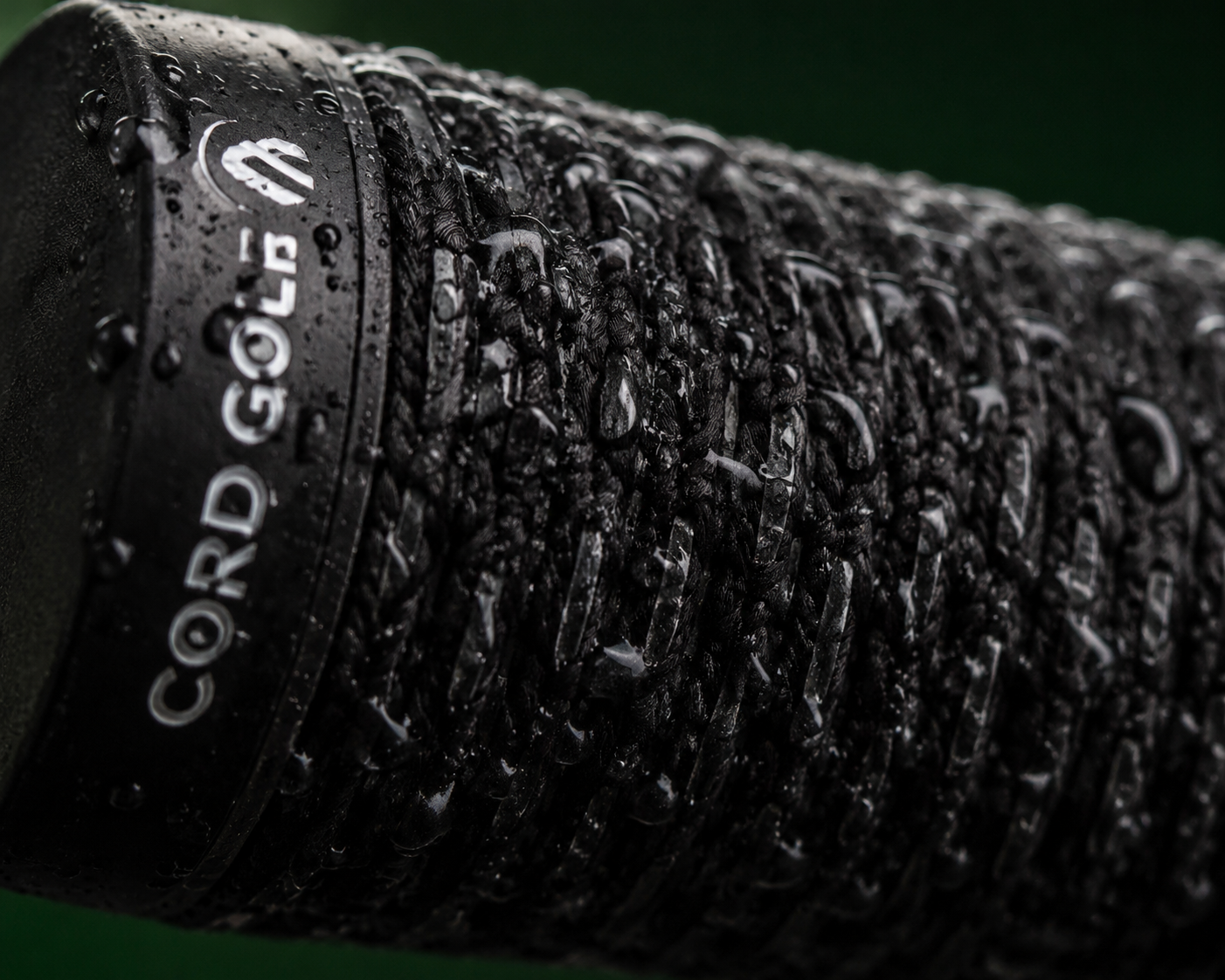
Review the selected cord coverage with the intended glove or bare-hand routine. A more pronounced feel may suit some customers and feel too abrasive to others. Keep the intended use conditions in the sample comparison.
Golf Pride's full-cord explanation describes cotton fibers integrated through its grip surface. Its model-specific feel and performance descriptions are useful background, not a specification or guaranteed result for every custom cord grip.
Where PU and wrap-style directions fit
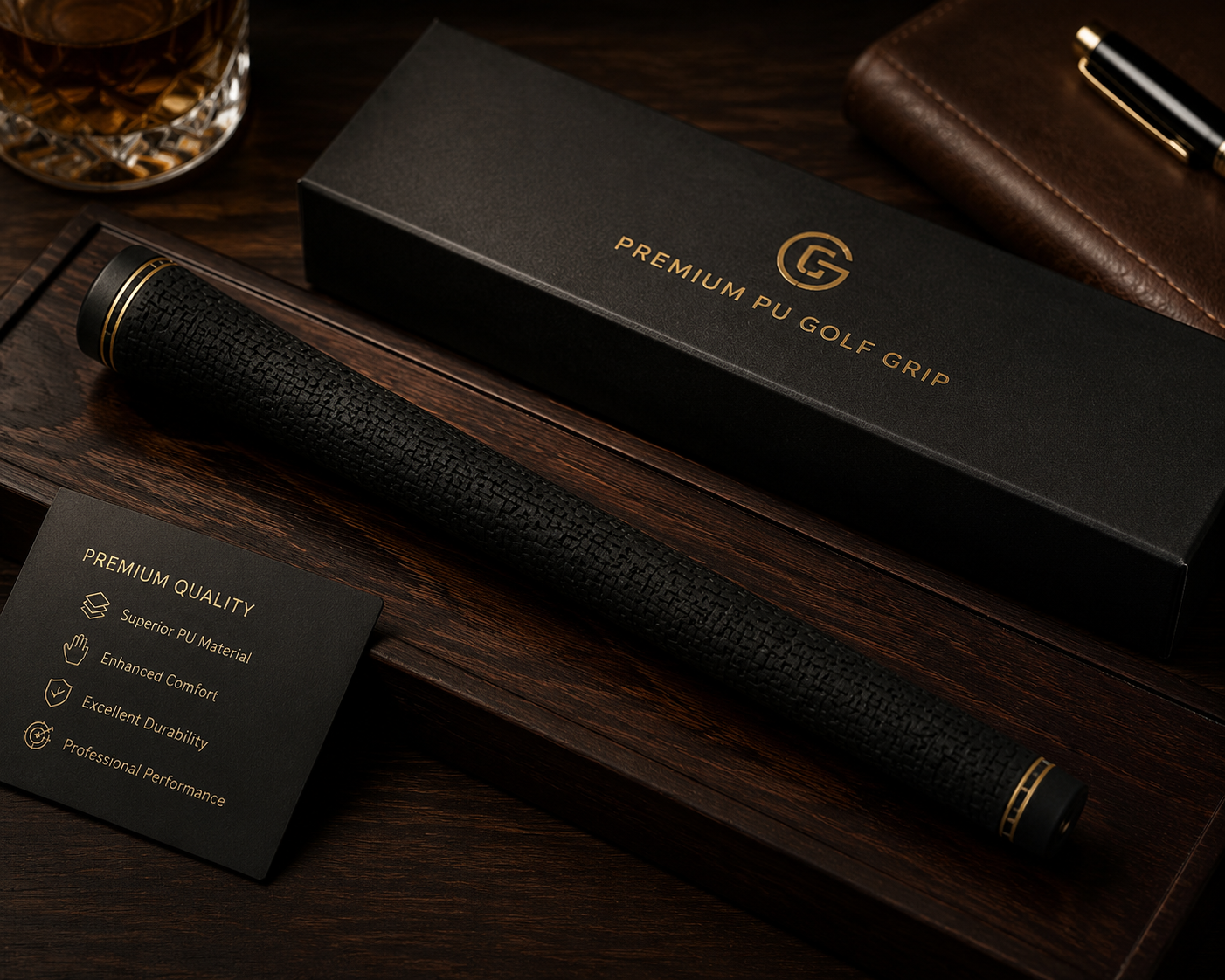
A PU or wrap-style surface can create a different look and handling character for a branded range. Check the surface material, texture, seam or overlap and the way the ends are finished. Review how the selected product is cleaned and whether the surface appearance remains suitable after the agreed care evaluation.
Choose it because the completed sample suits the customer, not because a material name automatically places it in a higher quality tier. Artwork, end-cap direction, color matching and packaging should be reviewed with the actual construction.
Size, weight and installation remain separate decisions
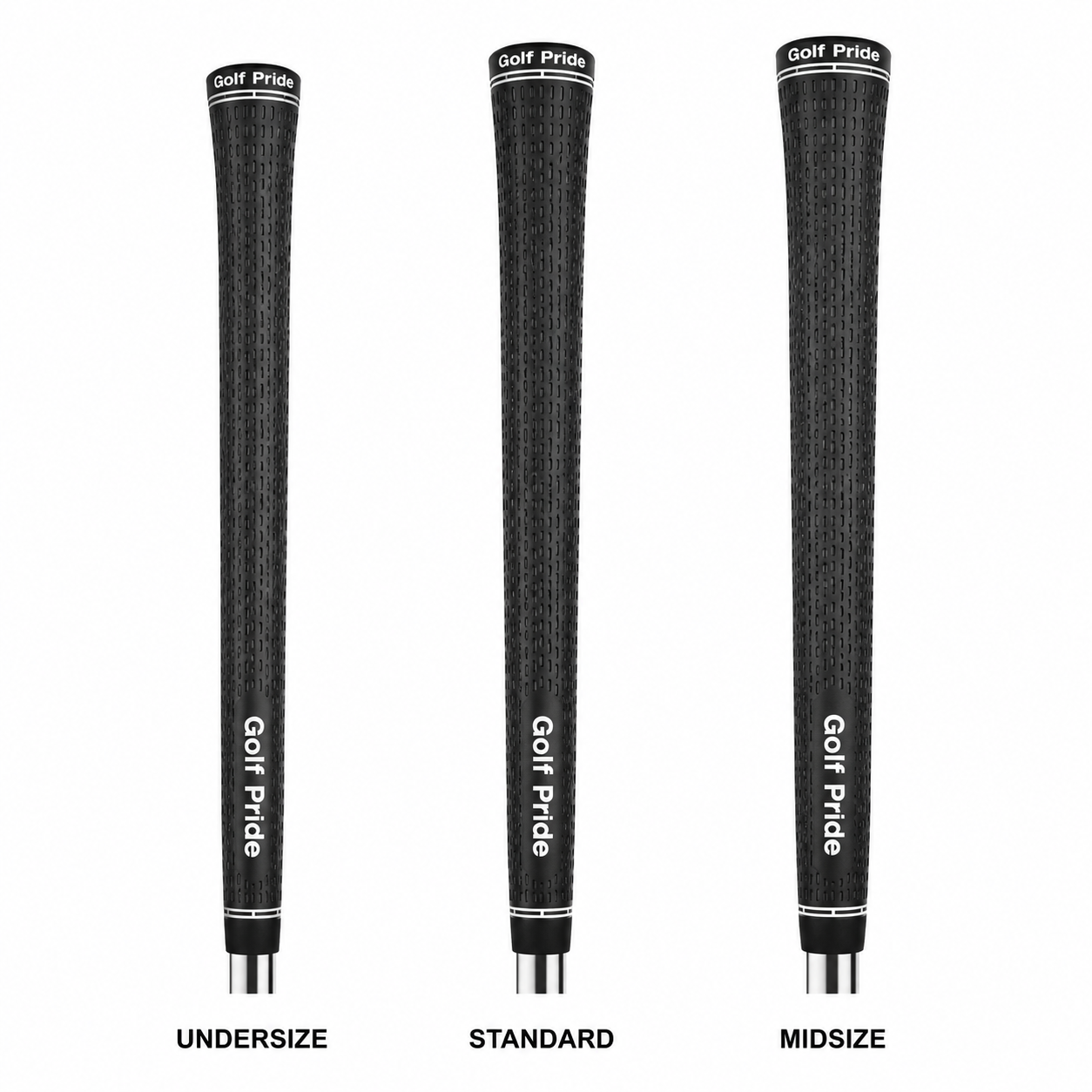
Material selection does not replace fitting. Core-to-shaft compatibility, tape build-up, taper and outside dimensions affect the installed result. The grip size chart provides a measurement starting point, while the standard and midsize comparison helps keep size choices separate from surface choices.
Record the model, core, intended shaft and installation when retaining a reference. Check the grip weight guide if finished club balance is part of the program. Do not assume two materials or two sizes share the same weight.
Approve a repeatable grip before building the range
Use matched dimensions and compatible installation.
Review the intended glove and handling conditions.
Record material, artwork and packing with the approved sample.
Review the finished profile, hand-contact surface and branding together. Compare the grip on a compatible club, then record the selected material, dimensions, color, artwork and packing. If wet handling, abrasion or color transfer is important, agree a relevant evaluation for that sample rather than copying an unsupported general claim.
Care and replacement should follow the product requirements and its actual condition. A fixed number of rounds is not a guarantee that every grip needs replacement at the same point. The grip care guide can help distinguish cleaning needs from wear or a poor fit.
What to include in a custom golf grip quotation
Send the preferred material direction, profile, core compatibility, surface pattern, colors, artwork, quantity per SKU and packaging. If several sizes or materials form one collection, list the versions separately. Ask the quotation to identify setup, sample requirements and the selected production construction.
Standard grips start at 200 pieces per SKU. Logo, color or packaging customization starts at 500 pieces per SKU. Unit pricing, tooling and timing are confirmed for the configuration; generic price ranges and blanket material percentages do not define your order.
Frequently asked questions
Which golf grip material should a new range start with?
Start with the intended customer's profile and surface preference. Compare a suitable rubber direction with any cord or PU option that serves a distinct need rather than adding materials only to create price tiers.
Are cord grips made only from cord?
No. Cord describes a fiber-textured construction that can be integrated with rubber. Confirm the underlying material and coverage for the selected model.
Is PU automatically softer than rubber?
No universal comparison applies. Surface construction, support, profile and the selected formulation affect the finished feel. Compare actual samples.
Can a logo and colors be coordinated across materials?
Discuss each construction and decoration route separately, then approve the assembled range. Different surfaces can reproduce the same artwork and colors differently.
What is the minimum order for customized grips?
Logo, color or packaging customization starts at 500 pieces per SKU. Standard products start at 200 pieces per SKU. Confirm the exact scope and version quantities in the quotation.
How should I compare two supplier quotes?
Use the same profile, construction, core, artwork, quantity and packing basis. Identify sample, setup and delivery scope so a material difference is not confused with a different supplied product.
Build the grip range around a sample you can repeat
Share the material directions, sizes and branding you want to compare. PASSEN can review the selected construction and prepare a configuration-based quotation for your range.