
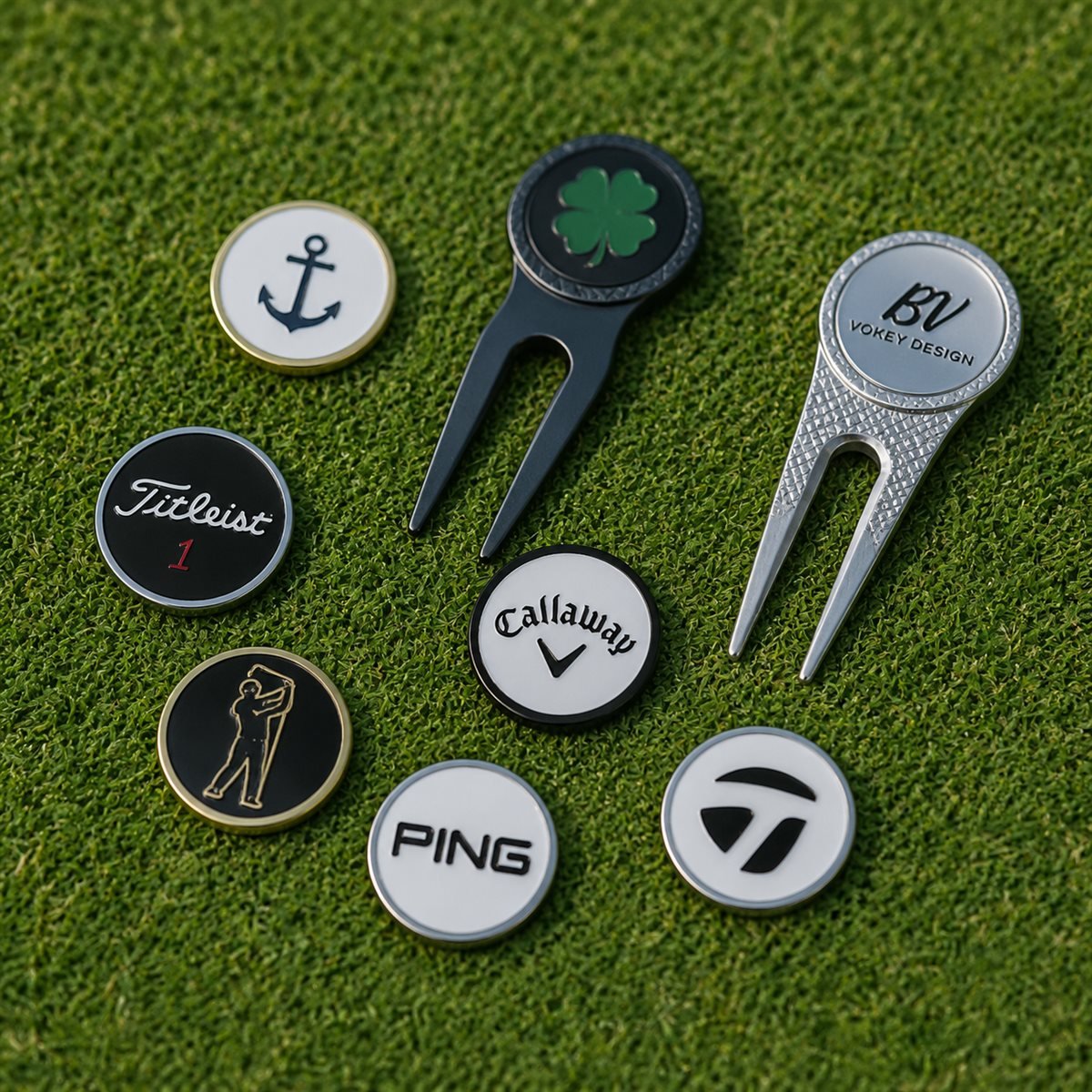
Golf ball markers and divot tools can be purchased as separate accessories, a magnetic pair, or a packaged gift set. For a club, resort, tournament or golf brand, the first decision is the program: what each unit contains, how the two parts connect, where the logo appears and how the set reaches the buyer. That decision matters more to a useful quotation than a broad request for “premium markers.”
Send a quote brief that describes the complete unit
PASSEN can review a custom program when the components are clearly identified. A quoted “set” should state whether it includes one marker, one tool, a hat clip, a box or backing card. If the marker detaches from the tool, specify how it is retained and whether replacement markers are part of the order. Use the custom ball markers and divot tools program to see the combined category.
| Brief field | What to provide | What it changes |
|---|---|---|
| Program type | Marker, divot tool, hat-clip set or tool-and-marker set | Component count and packing specification |
| Construction | Shape, dimensions, material direction, finish and tool mechanism | Sample design and quality checks |
| Branding | Vector artwork, logo colors, decoration method and placement | Artwork review and decoration approval |
| Quantity | Units per SKU, color, finish and packaging version | MOQ and quotation basis |
| Delivery | Unit pack, carton mark, destination and required date | Pack-out and proposed schedule |
Send your marker and tool brief →
Compare golf ball markers and divot tools as one range
Marker only
Suitable when a club needs a simple logo piece or a replenishment item. Decide diameter, thickness, edge, finish and unit presentation.
Divot tool only
Choose a fixed or folding construction, then review prong shape, handling, decoration area and closure where applicable.
Paired set
Make the marker and tool work together. Confirm magnet fit, orientation, color match, component count and how the set is packed.
Do not compare a loose metal marker with a boxed magnetic tool set as though they were the same product. The bill of materials, assembly work and retail presentation are different. For a marker-only program, the custom golf ball markers page gives a narrower product path; for a tool-only brief, read the custom divot tool buying guide.
Material, finish and artwork decisions
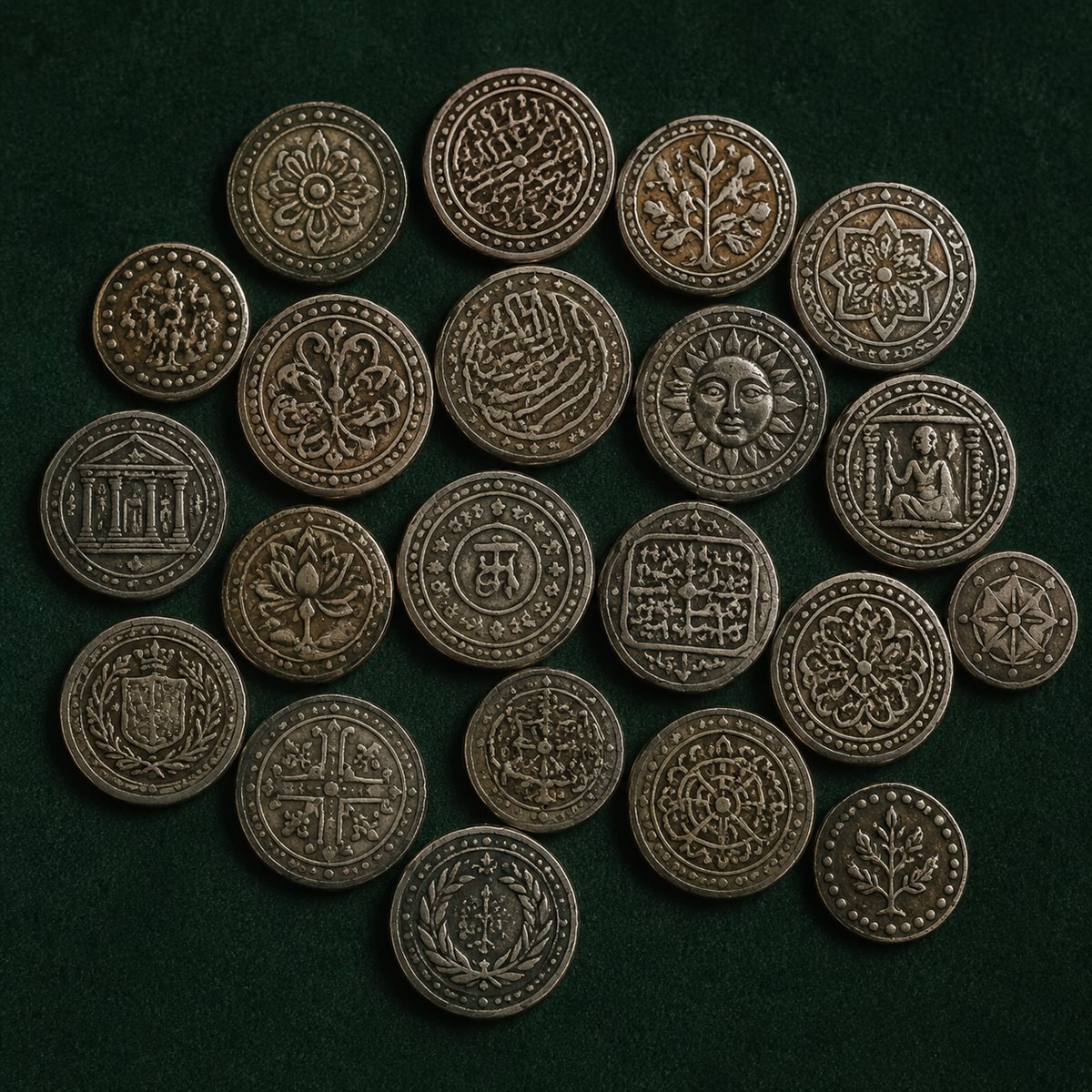
Start with the intended look and handling, then request samples in the proposed material. Die-cast and stamped metal, machined options, enamel-filled surfaces, printed details and molded materials can give different edge definition and surface feel. The exact method depends on the design and supplier capability; do not approve a material name without seeing the finished logo and back of the piece.
For fine artwork, check minimum line width, small text, color separation and the distance between decoration and edge. A digital mockup can show proportion, but the physical sample establishes the final color, legibility, plating or coating appearance and hand feel. If a set uses two decorated components, approve both rather than assuming the second logo will match automatically.
Test the tool and marker as one assembly
A magnetic marker should sit in the intended recess without rocking or scratching the tool. Test removal with normal fingers, then walk, carry and place the tool in a pocket or on a hat clip as intended. Check whether the marker rotates, detaches too easily or requires excessive force. Avoid a universal magnet-grade claim: retention depends on the full assembly, contact surfaces, marker mass and geometry.
For a folding tool, open and close the sample repeatedly, inspect the hinge and confirm the prongs do not expose an uncomfortable edge when carried. For a fixed tool, check prong symmetry, edge finish and comfortable grip. The ball marker magnet guide and folding divot tool guide provide deeper component checks.
Approve a sample before bulk production
Check appearance
Review dimensions, finish, artwork color, logo position, front and back surfaces, and any sharp or unfinished edges.
Check function
Fit the marker into its holder, open and close the tool if applicable, and test the intended carrying method.
Check the packed unit
Confirm every component, label, barcode, insert and protective layer in the approved pack.
Record the reference
Keep the approved sample and written specification so later colors and reorders can be compared against the same basis.
Photographs help document a decision, but they do not replace measurements or a physical fit check. If the finish, tool shape, marker size or packaging changes after approval, review the revised sample and quote before treating it as the same SKU.
Plan a retail or event range without invented margin promises
A pro shop can compare a simple marker, a tool-only item and a paired set at different presentation levels. The correct mix depends on the actual audience, shelf space, landed cost and selling price. Ask for a quotation by construction and quantity, then calculate your own margin using freight, duties, packaging and local selling costs. Generic online price ranges do not describe PASSEN’s quotation or your local retail economics.
For tournaments, define the player count, spare allowance, artwork approval date and whether every pack is identical or has variable names. For club retail, decide how the item will hang or sit on a shelf and whether a barcode is needed. A gift-set project should state all included accessories rather than implying an unrelated product shown in a photograph comes with the tool.
Frequently asked questions
Should I order markers and divot tools separately or as a set?
Use separate SKUs when they will be sold or replenished independently. Use a set when the marker, tool and packing are approved as one unit.
Can a custom marker fit an existing divot tool?
Possibly, but verify the recess, marker dimensions, magnet orientation and removal force on the exact tool before ordering.
What artwork should I provide?
Send a vector logo if available, intended colors, minimum visible details and the preferred front or back placement. Approve the finished sample.
What is the MOQ for a custom paired set?
Logo, color or packaging customization starts at 500 sets per SKU. Confirm the exact components, finish and packaging in the quotation.
Can the same logo be used on both components?
Yes, subject to size and decoration limits. Review legibility and color separately on the marker and tool.
What should a complete inquiry include?
State program type, components, material direction, artwork, quantity per SKU, packing, destination and required date.
Quote the exact marker and tool program
Tell us whether you need loose markers, divot tools or a paired set. Add artwork, quantity by version, packaging and destination so PASSEN can review the construction and sampling questions.